Sustainable Garden Design for Wellbeing and Long-Term Balance
Wellbeing and Sustainable Garden Design: Habits That Support You and the Environment
A garden can be far more than a beautiful backdrop. When designed and cared for with intention, it can support mental clarity, reduce stress, and create a deep sense of calm — while also contributing positively to the environment.
Sustainable garden design is not only about environmental responsibility. It’s about creating an outdoor space that feels supportive, manageable and restorative. In the same way, wellbeing in the garden doesn’t come from constant activity or perfection, but from thoughtful decisions and a sense of ease.
When wellbeing and sustainability meet, the garden becomes a place that quietly nourishes life — yours and the ecosystem around it.
Below are key habits that support both personal wellbeing and a more sustainable garden.

1. Observe Before You Change Anything
One of the most valuable habits in sustainable garden design is observation.
Before planting, moving or removing anything, take time to notice how your garden behaves. Observe how sunlight moves across the space throughout the day, where shadows settle, and which areas feel naturally comfortable or exposed. Notice how water drains after rain, which plants thrive with little effort, and which struggle despite attention.
This habit reduces unnecessary intervention. Decisions made from understanding rather than assumption tend to be calmer, more precise, and longer-lasting.
From a wellbeing perspective, observation encourages presence. It slows the pace and shifts focus away from constant “doing”. From a sustainability perspective, it prevents overplanting, overbuilding and resource-heavy corrections.
A garden shaped by observation feels more natural, less demanding, and better aligned with daily life.
2. Choose Climate-Resilient Plants and Materials
Selecting plants and materials that suit your local climate is fundamental to sustainable garden design.
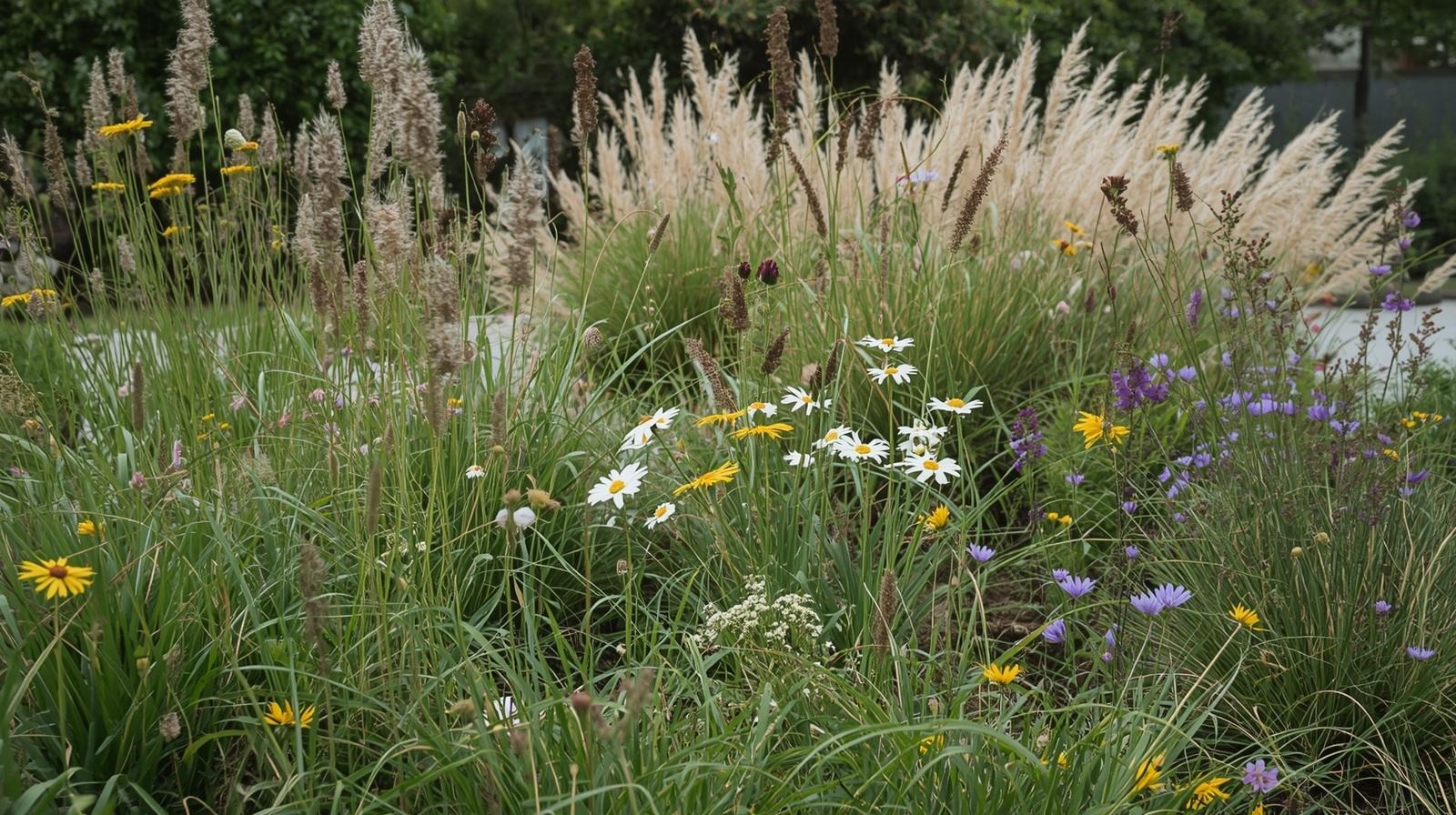
Climate-resilient planting reduces maintenance, conserves water and allows the garden to establish itself with less intervention. Plants that are well-suited to their environment are healthier, more resilient and visually consistent over time.
Drought-tolerant plants, resilient perennials and well-adapted species support biodiversity while reducing reliance on artificial inputs such as excessive watering, feeding or replacement planting.
There’s also a quiet psychological benefit. A garden that thrives without constant effort feels reassuring rather than demanding. When the garden works with its environment, it supports peace of mind as much as ecological balance.
3. Design the Garden to Include Rest
A garden becomes truly restorative when it offers spaces for rest and reflection.
Wellbeing doesn’t grow through activity alone. Even a small seating area, a sheltered corner or a simple framed view can transform how a garden is experienced. These spaces don’t need to be elaborate — what matters is intention.
A seat positioned to catch evening light, a quieter area away from the busiest part of the garden, or a place to pause and observe planting creates a different relationship with the space. One that values presence over productivity.
From a sustainability perspective, designing for rest also encourages restraint. It prevents overdevelopment and allows parts of the garden to remain open, permeable and supportive of natural processes.
A garden that supports rest supports resilience — for both people and the environment.

4. Use Structure and Planting Layers to Create Calm
A well-designed garden engages the senses without overwhelming them.
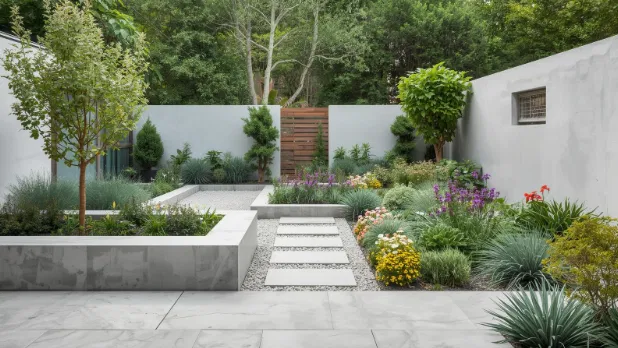
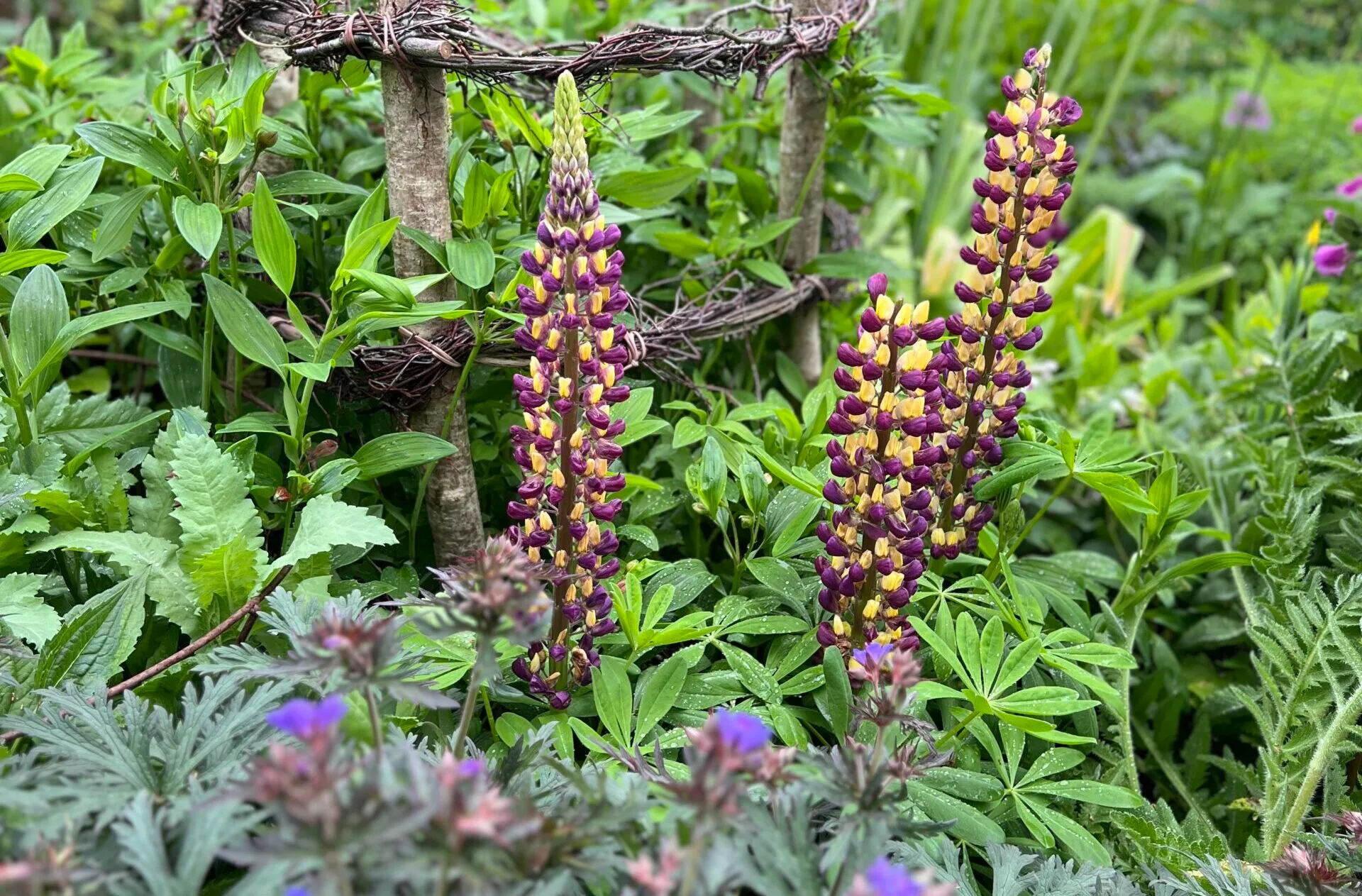
Thoughtful layering of structure, texture and form creates depth and interest while maintaining clarity. Evergreen structure, shrubs and considered hard landscaping provide a framework that allows seasonal planting to change without the garden losing its shape.
This reduces the need for constant renewal. When structure is in place, the garden feels stable throughout the year, even in quieter months. Layered planting also creates shelter and habitat for wildlife, supporting biodiversity naturally.
From a wellbeing perspective, structure brings visual calm. Instead of feeling busy or unresolved, the garden feels settled, cohesive and easy to move through.
5. Adopt Low-Impact, Sustainable Garden Habits
Small, consistent habits have a significant long-term impact.
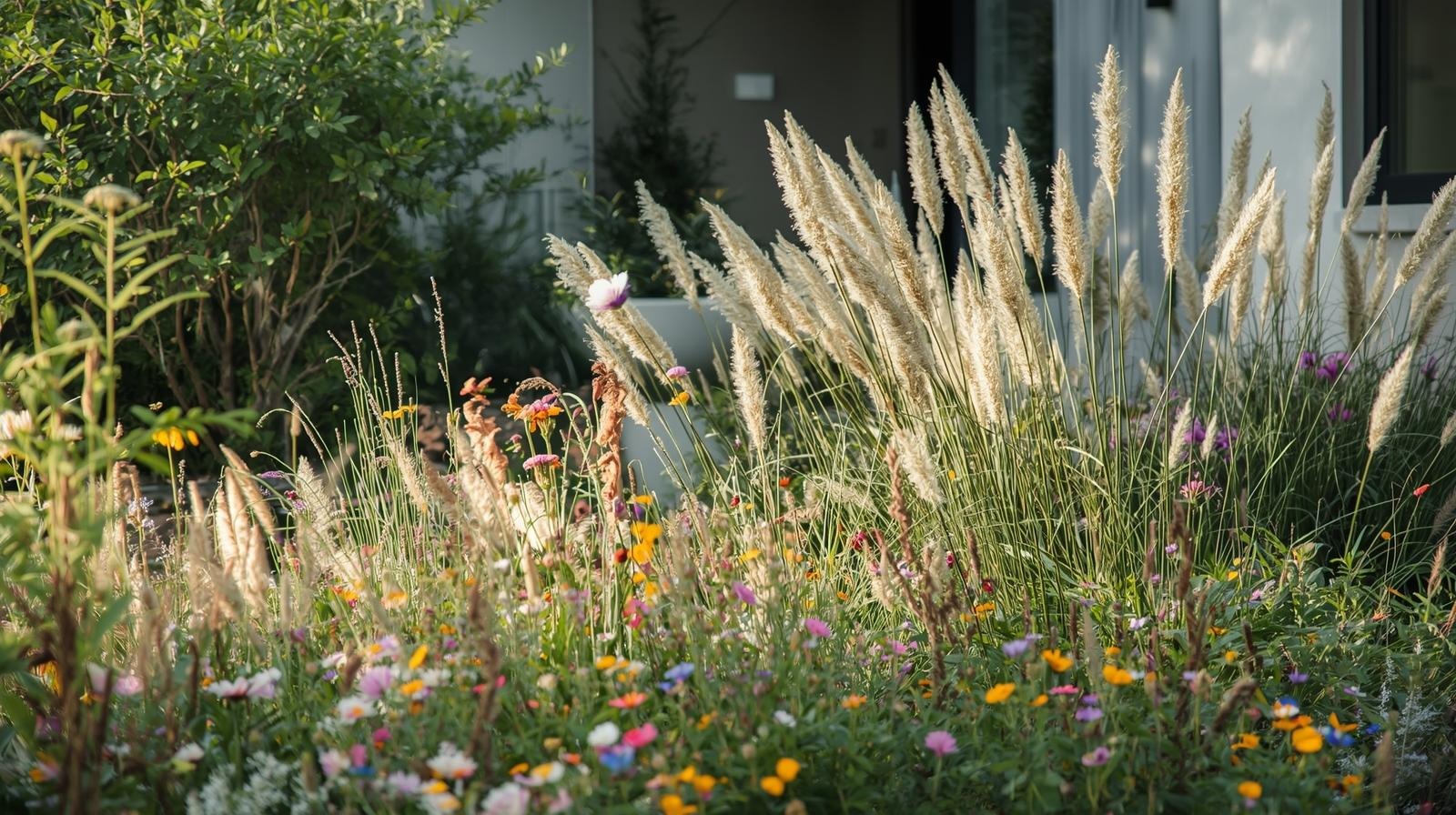
Practices such as composting, mulching, capturing rainwater and grouping plants by similar needs improve soil health, conserve resources and reduce maintenance. These habits support plant resilience while lowering the garden’s environmental footprint.
Importantly, they also reduce effort. When the garden works with natural systems rather than against them, it becomes a source of satisfaction rather than pressure.
Sustainability here isn’t about doing more. It’s about removing what’s unnecessary and allowing the garden to function more naturally.
Start Small and Let the Garden Evolve
A sustainable, wellbeing-led garden doesn’t need to be perfect or complete.
Starting small allows clarity to develop naturally. Focus on one area, one habit or one intention at a time. Small, thoughtful steps build confidence and understanding, without overwhelm or rushed decisions.
Over time, these choices accumulate into a garden that feels balanced, supportive and quietly alive.
A Garden That Supports Life, Not Just Looks Pretty
A garden that nurtures wellbeing and sustainability isn’t about constant improvement. It’s about thoughtful design, considered choices and habits that support both people and nature.
By observing before acting, choosing resilient planting, creating spaces for rest, layering structure and adopting low-impact practices, you create a garden that enriches everyday life while contributing positively to the environment.
Gardens flourish when they reflect the people who tend them. When wellbeing and sustainability guide decisions, outdoor spaces become calm, resilient and deeply rewarding places to live with.