Garden Design Trends 2026: What’s shaping outdoor spaces this year
2026 Garden Design Trends: What’s Shaping Outdoor Spaces This Year
As we ease into 2026, garden design is evolving in exciting ways — marrying beauty, function, sustainability, and personal expression. Whether you’re planning a full garden overhaul or simply refreshing a corner of your outdoor space, these are the key trends landscape designers and gardening experts expect to define gardens this year.
1. Outdoor Living Takes Centre Stage
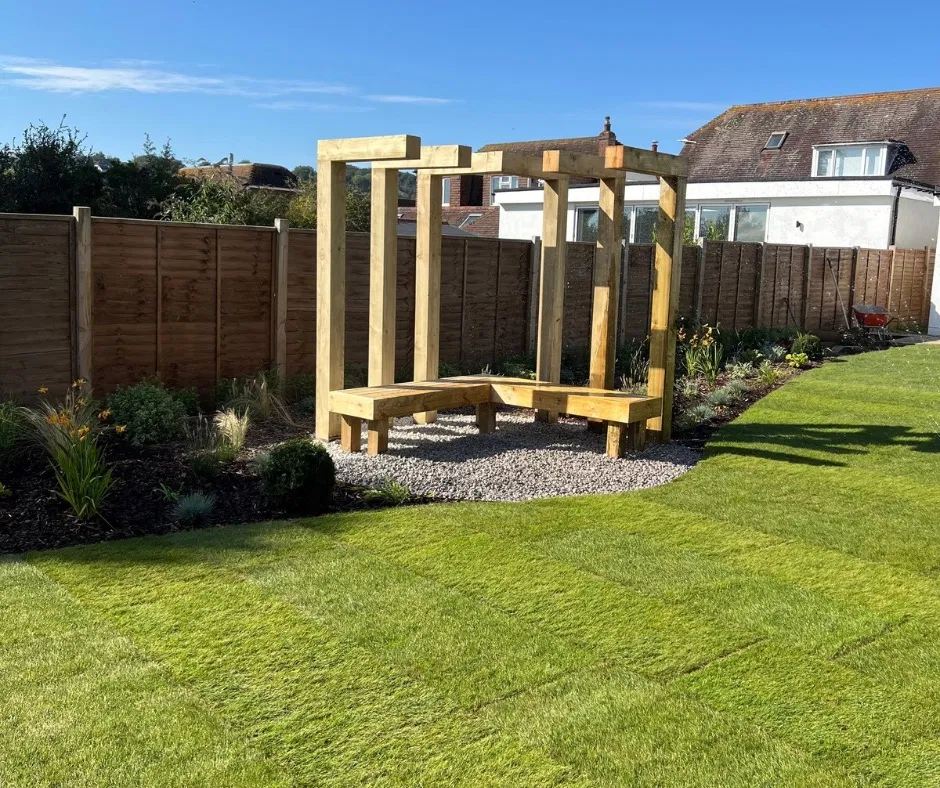
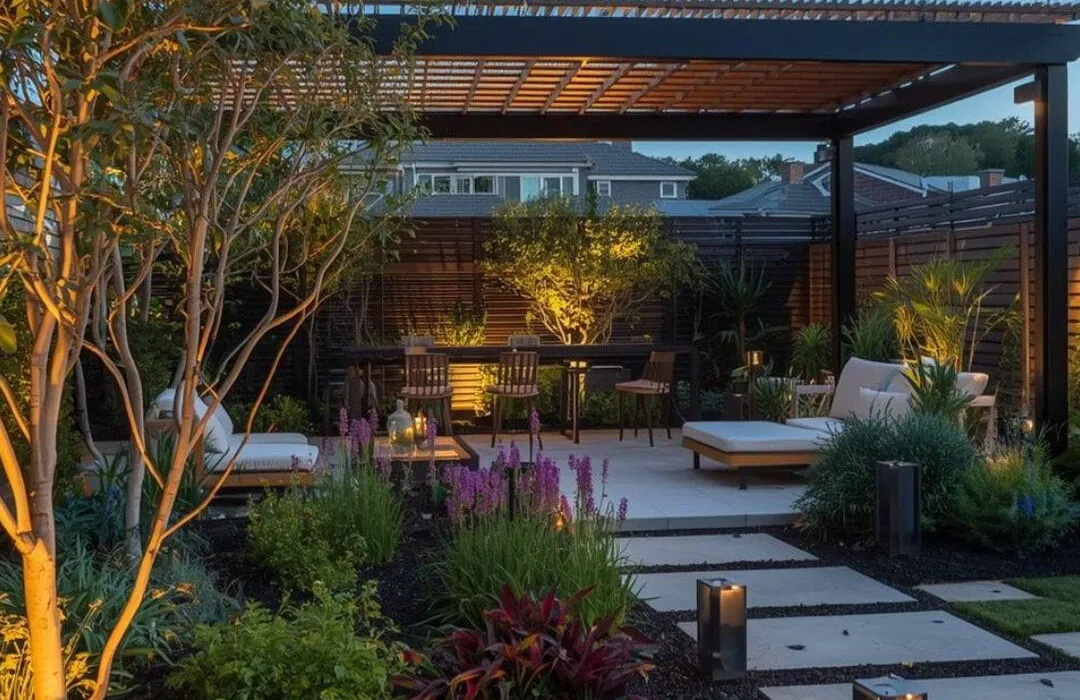
Gardens are no longer just planted spaces — they’re extensions of the home. Outdoor areas designed for comfort, connection, and daily living are becoming more popular than ever. Think cosy seating nooks, dining zones, and lounges that blur the line between inside and outside. Patios and decks are being treated with as much intention as living rooms, complete with container gardens, ambient lighting, and multifunctional furniture.
This trend is driven by a desire to make outdoor spaces usable and comfortable year-round, not just pretty to look at.
2. Climate-Smart, Resilient Gardens
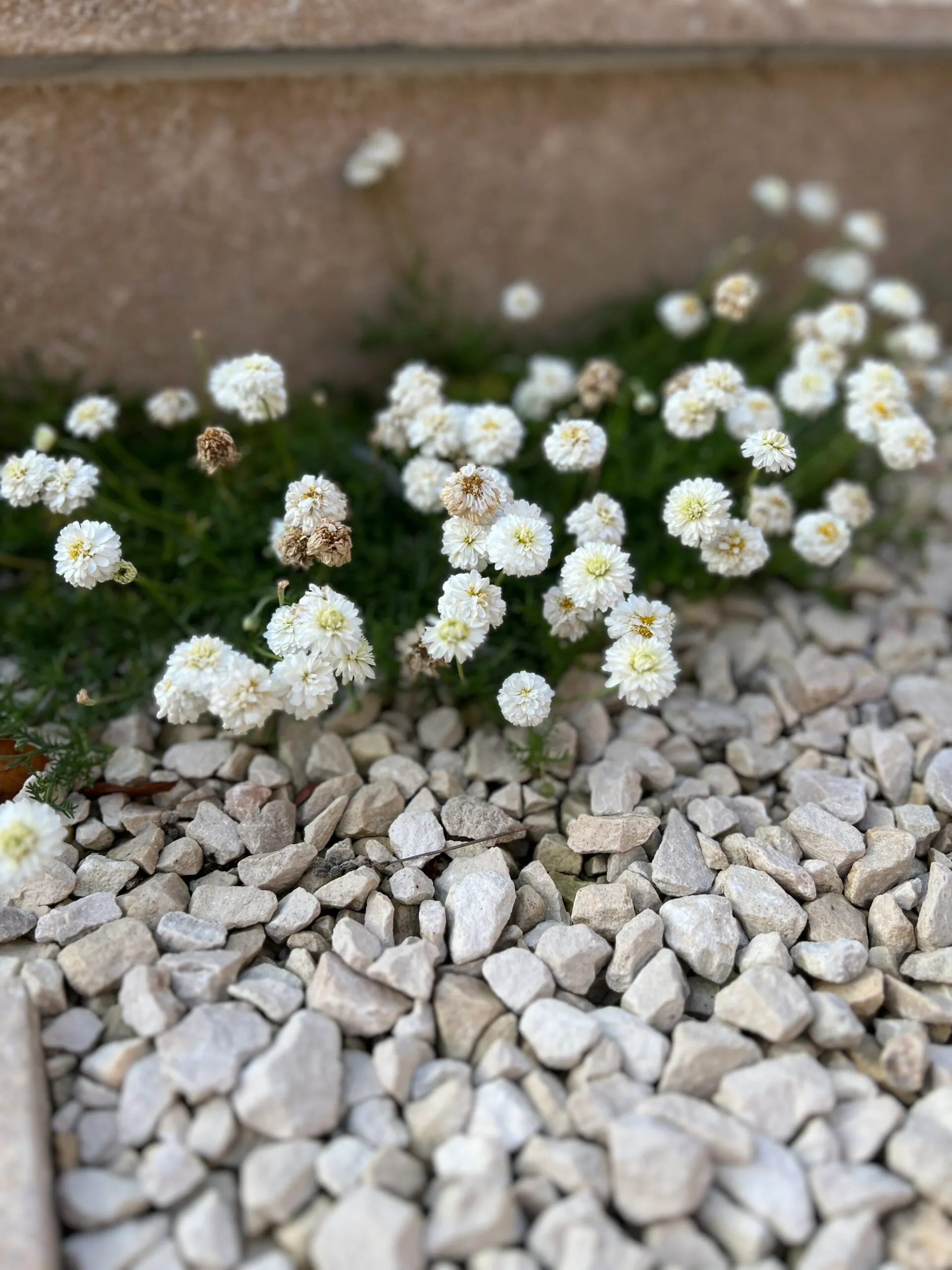
With unpredictable weather patterns and hotter summers becoming the norm, climate-resilience is at the heart of contemporary garden design. 2026 gardens increasingly blend drought-tolerant plants with resilient native species that thrive without excessive watering or maintenance.
This approach isn’t just practical — it helps gardens stay healthy, adaptable, and visually appealing through changing seasons.
3. Rich Colour Palettes & Textural Contrast
After years of muted tones dominating planting schemes, 2026 is welcoming richer, deeper colour into the landscape. Gardens are embracing saturated hues like terracotta, aubergine, deep greens, and bold flower colours that create visual drama and emotional resonance.
Designers are also layering textures — soft foliage, structural grasses, and architectural perennials — to create movement and interest throughout the year.
4. Larger-Than-Life Containers & Urban Garden Statements
Container gardening isn’t just practical — it’s becoming a major design focus in its own right. Oversized planters, sculptural pots, and thoughtfully grouped containers are being used to define zones, introduce height, and bring coherence to patios and terraces.
For urban and small-space gardeners in particular, containers offer flexibility: move them with the seasons, experiment with different plant combinations, and enjoy instant impact.
5. Precision & Purpose in Design
Gone are the days of planting on impulse — thoughtful analysis is guiding more gardens from the ground up. Designers are increasingly starting projects by assessing sun exposure, soil type, drainage, and microclimates before making plant or material choices.
This precision leads to gardens that establish more successfully, look more intentional, and require less corrective work later.
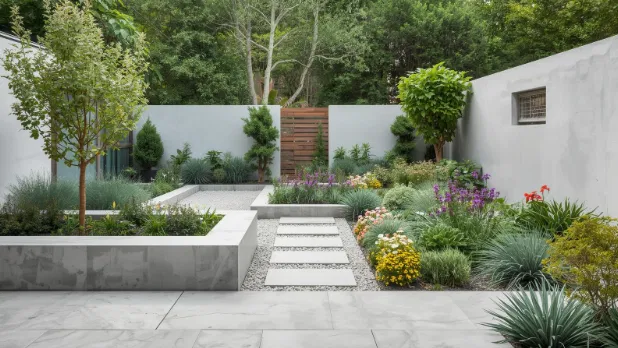
6. Minimalist Hardscaping With Natural Materials
Natural materials are taking precedence over glossy or synthetic finishes. Think reclaimed stone, locally-sourced brick, textured timber, and softly weathered surfaces that age gracefully with time.
Hardscaping isn’t competing with plants — it’s complementing them, providing structure while letting nature remain the star.
7. Pollinators, Biodiversity & Ecosystem Focus
Garden design in 2026 isn’t just about looks — it’s about impact. Home gardeners increasingly want spaces that support wildlife, especially pollinators like bees, butterflies, and beneficial insects.
Native trees, nectar-rich perennials, mini ecosystems like log piles and small ponds, and wildlife-friendly planting all contribute to gardens that feel alive and balanced.
8. Compact, Intentional Garden “Rooms”
The “Botanical Bento” concept — where gardens are designed like a series of purposeful, connected zones — is gaining traction. Rather than a single big idea, gardens are being divided into smaller, intentional spaces for dining, relaxing, gardening, or simply pausing.
This trend works especially well in smaller spaces, creating a sense of depth and discovery.
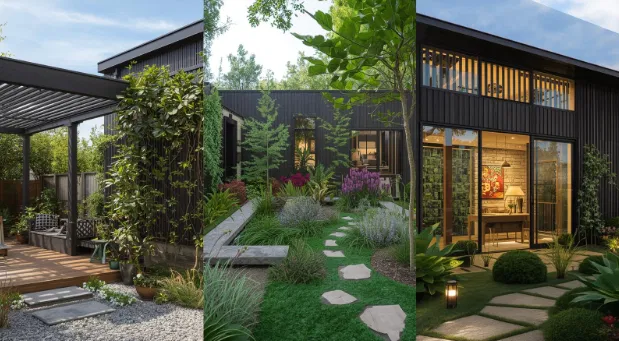
Bonus Tip: Design for Longevity, Not Quick Fixes
One of the most sustainable choices you can make in your garden is to design with the long term in mind. Rather than filling gaps with short-lived plants or following trends that require frequent replacement, focus on well-chosen plants and materials that suit your space, soil, and lifestyle.
When a garden is designed to grow into itself — with plants that are happy where they’re placed and materials that age well — it needs less water, less maintenance, and fewer resources over time. Sustainability isn’t always about doing more; often, it’s about making thoughtful choices once and letting the garden do the rest.
Conclusion
2026 isn’t about chasing fleeting aesthetics — it’s about designing gardens that feel good, work well, and last. Whether you’re drawn to rich colours, climate resilience, thoughtful structure, or multifunctional outdoor living, there’s a little bit of inspiration here for every type of gardener.
If you’re planning your garden this year — whether big, small, or somewhere in between — these trends offer guidance, not rules. Gardens thrive when they reflect the people who use them, and the best trends are the ones that fit your space and lifestyle.