
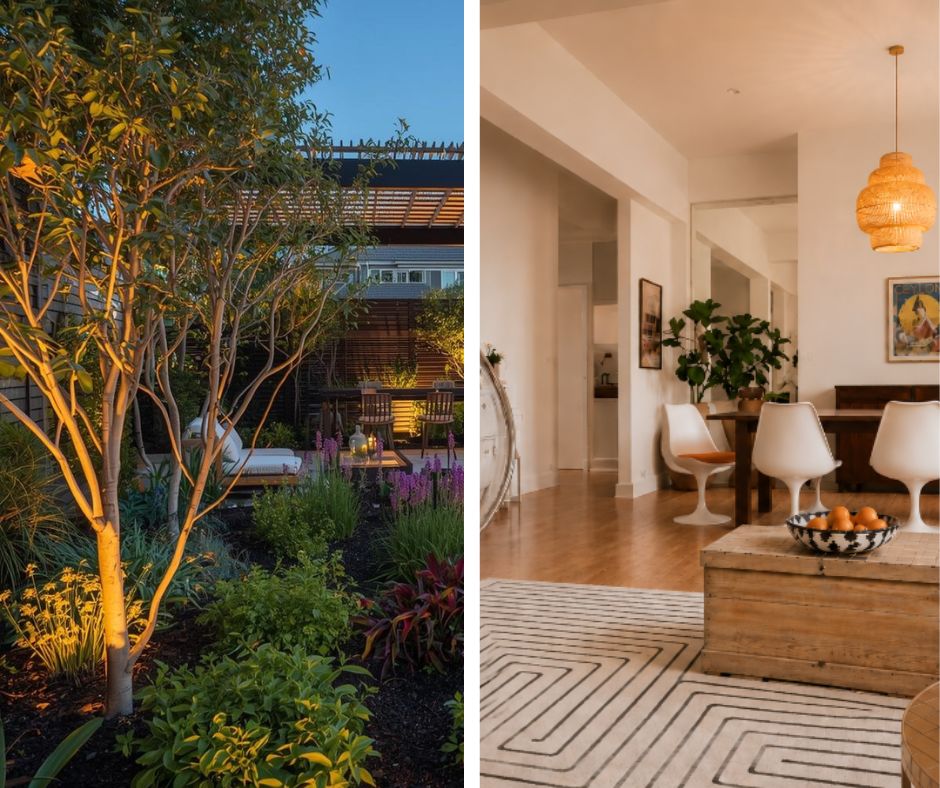
Sensory Design: Creating Spaces That Support Wellbeing and Neurodiversity
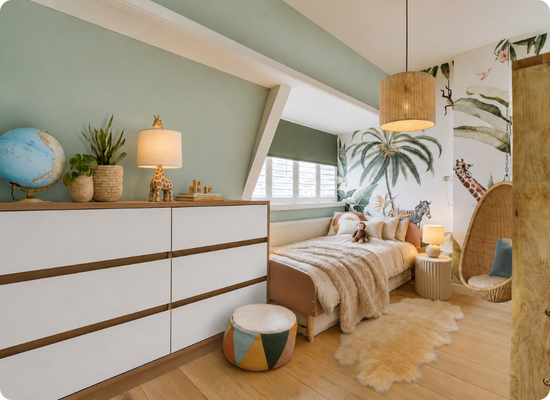

When most of us think about designing a space — a room, a garden, a whole home — we think first about how it will look. The colour palette, the furniture, the planting, the view on a grey Tuesday morning. We design in pictures. Yet the spaces that genuinely support us tend to engage far more than the eye.
The scent of lavender brushed in passing. The soft light that takes the edge off a long day. The texture of a leaf, or a blanket, between the fingers. The quiet rhythm of a room, or a path, that persuades us — almost without our noticing — to stop hurrying. This is sensory design: shaping a space around how it feels to be in it, not just how it appears. And for many neurodiverse people, it can make an extraordinary difference to daily life.
Two studios, one shared belief
We come at design from opposite sides of the back door, and we rather like it that way.
Natasha Grays runs The Sensory Haven in Brighton, where she creates sensory-focused interiors for neurodiverse children and the families around them. Her work turns a home into a place that soothes rather than overwhelms — somewhere a child can retreat, regulate and simply be themselves, with the whole household feeling the benefit. As a parent of a neurodivergent child herself, she designs from lived experience as much as expertise.
I’m Victoria, founder of Studio Hummingbird in Sussex, and I design gardens for people who want their outdoor space to feel like a genuine extension of the home rather than an afterthought beyond the patio doors. I recently had the pleasure to design a sensory garden for a family in Horsham.
We found ourselves in conversation over a shared conviction: that the rooms we sit in and the gardens we step out into shape how we feel far more than we tend to credit. So this piece is a conversation across the threshold — what sensory design looks like indoors, and what it looks like out in the garden.
What we mean by sensory design
Sensory design simply means shaping a space to engage the senses on purpose — considering how it sounds, smells and feels, and how it carries you through, rather than concentrating on appearance alone.
It is worth saying what this isn’t, because there is a common misconception. Sensory design is not about cramming in every feature going, nor about labelling a space as “therapeutic”. In truth, the most successful sensory spaces are often the simplest. They are spaces where a handful of experiences have been carefully chosen and balanced, so that being there feels comfortable, calming and restorative rather than busy.
This matters because every neurodiverse person experiences the world a little differently. For some, sensory input can tip quickly into overwhelm — bright colour, loud noise, crowded and unpredictable surroundings can all create stress and fatigue. For others, the right sensory experience offers the opposite: comfort, focus and a welcome sense of regulation. A space designed with that in mind offers something many environments fail to: gentle, controllable sensory engagement, where a person can finally exhale.
That principle holds whether you are standing in a child’s bedroom or at the bottom of the garden — which is exactly why the two of us decided to write this together.
Inside the Home – by Natasha Grays, The Sensory Haven
 When Home Feels More Stressful Than Restful
For many families, home doesn’t always feel like the sanctuary they hoped it would be. Mornings can feel rushed, homework ends in frustration, bedtime becomes a battle, and everyone finishes the day feeling emotionally drained. While we often search for new strategies to help, one of the most powerful tools is something we rarely think about: the environment itself.
How Spaces Affect the Nervous System
Our brains and nervous systems process information from the spaces around us. Lighting, sound, colour, textures, layout and even visual clutter all send signals to the nervous system. They can help us feel calm, safe, focused and well rested, or quietly add to our brain’s workload without us realising it.
What Sensory-Friendly Design Really Means
A common misconception about sensory-friendly interior design is that it requires a specialist sensory room or expensive equipment. In reality, sensory-led design is about shaping an environment that supports the nervous system, particularly for children with ADHD, autistic children, and anyone with sensory processing differences. Often, it’s not one dramatic change that transforms a home, but a series of carefully considered design decisions that work together to create a space that feels calmer, safer and easier to live in.
Every Home Is Different
Everyone experiences their environment differently, so every home presents a unique combination of sensory challenges and opportunities. The solution is rarely as simple as changing a light fitting or adding a soft rug. It’s about understanding how lighting, acoustics, layout, colour, texture and movement work together to meet the unique needs of the people who live there.
A Sensory Home Assessment
When I assess a home, I look beyond aesthetics to understand what creates a truly sensory-friendly home. I consider how the whole environment works together to support wellbeing, from the flow of a room and opportunities for movement, to the colours, materials and sensory experiences that help the nervous system feel settled. Every family is different, and the goal is not to create a ‘Pinterest-perfect’ home. It’s to create a sanctuary where your family can breathe easier.
Calm Spaces for the Whole Family
The most successful homes don’t just look beautiful, they help people feel safe, supported and able to thrive. That might mean a ‘Calm Corner’ to retreat to when life feels overwhelming, a home office where focus comes more naturally, spaces that encourage movement and regulation, or bedrooms that promote deep, restorative sleep. Together, these thoughtful choices create a home that feels nurturing, predictable and restorative for the whole family.
From Indoors to the Garden
And of course, our experience of home doesn’t stop at the back door. Step into a thoughtfully designed garden and the same principles continue…different materials, different senses, but the same intention: creating spaces that help people feel calm, connected and at ease. That’s where Victoria’s beautiful work begins.
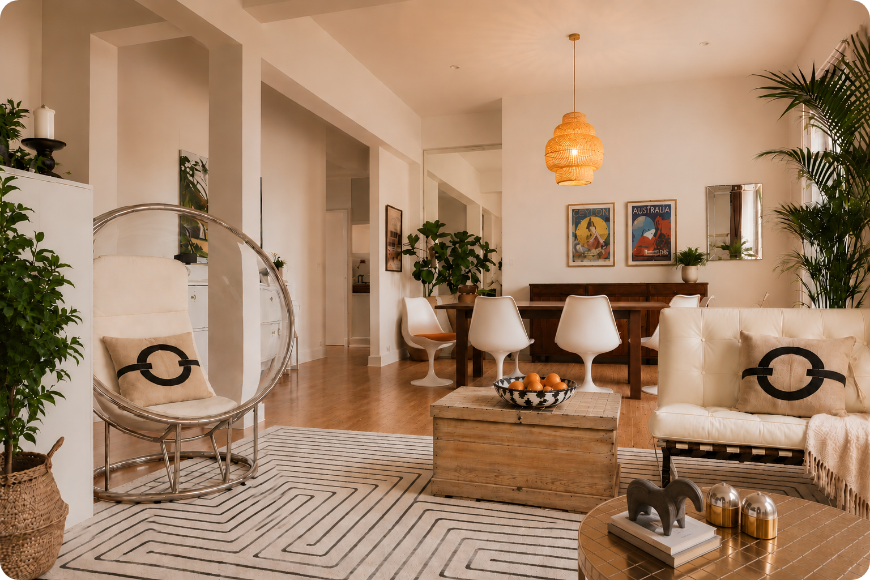
Out in the Garden — by Victoria, Studio Hummingbird
 If the home is the sanctuary you return to, the garden is the place you step out into to breathe. Nature rarely demands attention the way a screen does — it invites it instead. The movement of leaves, the sound of birdsong, the scent of herbs warming in the afternoon sun: these are the experiences that help the nervous system settle. For a great many people, the garden becomes the one place where they can truly let go. Here is how I think about designing for each of the senses.
Designing for sound
Sound is one of the most overlooked elements of garden design, yet it shapes how a space feels more than almost anything else. Consider the difference between traffic hum and the soft movement of grasses, or water trickling from a small feature, or the gentle clatter of bamboo in the wind. These natural sounds soften harsh background noise and create an atmosphere that feels immersive and, somehow, kinder.
Designing for scent
Scent is wired directly to memory and emotion, which is why a particular smell can take you back forty years in an instant. In a sensory garden, fragrance is placed where it will be met naturally rather than hunted for — the resinous warmth of rosemary beside a path, lavender near a bench, honeysuckle by a doorway you pass each morning. For some neurodiverse people, a familiar scent can be genuinely grounding, an anchor on a day that feels unsettled.
Designing for touch
Texture adds another quiet layer of interaction: soft grasses, the velvet of lamb’s ear, smooth bark, the feathery give of a fern. The chance to engage physically with planting makes a garden feel more inviting and more alive, and it is especially valuable in spaces designed for children, for therapeutic settings, or for anyone who finds comfort in the tactile.
Calm comes from structure, not stimulation
Here is the part people most often get wrong. The instinct is to assume a sensory garden should contain as much stimulation as possible. In reality, balance matters far more than intensity. Too many colours, scents, textures and features competing for attention simply becomes another source of overwhelm — which is the opposite of the point. The gardens that work combine sensory richness with clear, calm structure: simple pathways, defined spaces, considered planting, somewhere to sit and pause. A sense of order creates a feeling of safety and predictability, and that, more than any single feature, is what allows a person to relax.
The most important principle: choice
If there is one idea that holds the whole thing together, it is choice. A good sensory garden never forces interaction; it offers it. Someone might sit quietly and listen. They might trail a hand through the planting as they walk. They might focus entirely on scent, or movement, or simply enjoy the visual calm and touch nothing at all. The garden stays flexible enough to support different needs on different days — and neurodiverse or not, we all have different days.
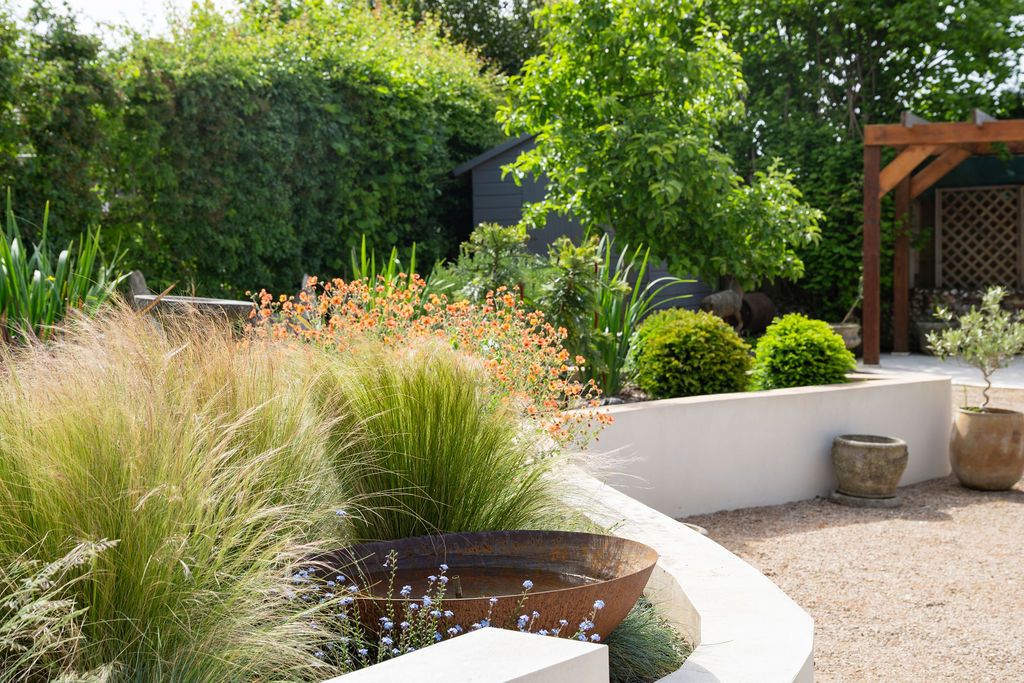
Not only for neurodiverse people
Although sensory design is particularly meaningful for neurodiverse individuals, the truth is that these principles serve everyone. Most of us now live amid noise, screens and an endless drip of notifications. A space — indoors or out — that gently encourages us to slow down, notice our surroundings and reconnect is becoming less of a luxury and more of a necessity. In that sense, sensory design isn’t about creating a specialist space at all. It’s about creating a more human one.
A home, and a garden, designed around people
The best spaces do more than look handsome. They support wellbeing. They create moments of calm. They help people feel grounded, connected and at ease. When that thinking runs through the whole home — Natasha’s considered interiors meeting a calm garden beyond the glass — the effect on a family can be quietly transformative.
If any of this resonates, a conversation is always a good place to start. You’re warmly invited to book a discovery call with Studio Hummingbird to talk through what your garden could become — and, where it helps, to begin with a Garden Clarity Visit, a focused on-site visit that brings real direction and confidence to what’s possible outdoors. If it’s the inside of the home that feels overwhelming, Natasha offers a Home Harmony Call at The Sensory Haven, a gentle first step towards a space that supports your child and your whole family.
About the studios
Studio Hummingbird is a boutique garden design studio based in Sussex, designing bespoke, sensory-focused gardens for discerning homeowners across Sussex and Surrey. Founded by Victoria, the studio creates outdoor spaces that feel like a natural extension of the home.
The Sensory Haven, founded by Natasha Grays in Brighton, offers sensory-focused interior design that helps parents create calm, supportive homes where their neurodiverse child — and the rest of the family — can thrive.


Ready to Talk About Your Garden?
Every garden transformation starts with a conversation. Book a free Discovery Call and tell us about your space.
Book a discovery call Send us a message