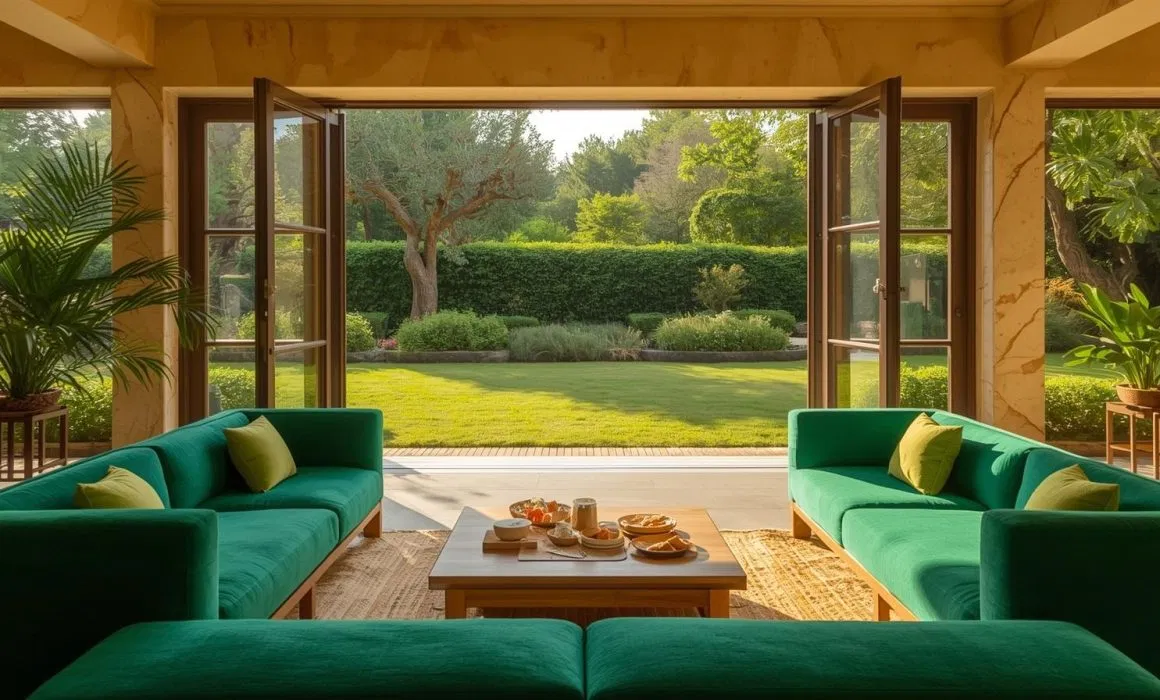
Garden Design for Entertaining: How to Elevate Your Guest Experience Outdoors
Garden Design for Entertaining: How to Elevate Your Guest Experience Outdoors
As spring arrives across Sussex and Surrey, our thoughts naturally turn to outdoor entertaining — long evenings with friends, relaxed weekend lunches, or simply welcoming guests into a space that feels like an extension of your home.
When we think about hosting, most of our attention goes indoors.
The table setting, lighting, music and food.
But the most memorable gatherings often begin before anyone steps inside.
They begin the moment a guest walks through your garden.
Your outdoor space sets the emotional tone. It signals whether the evening will feel relaxed or rushed, intimate or expansive, thoughtful or improvised. A well-considered garden doesn’t just look beautiful — it quietly shapes how people feel.
Elevating your guest experience outdoors is not about extravagance. It’s about intention.
Here’s I’m Victoria, the founder of Studio Hummingbird, and I design gardens across Sussex and Surrey that are made for living in — not just looking at. Here’s how to approach outdoor entertaining with depth and purpose…

1. Think Beyond Appearance — Design for Arrival
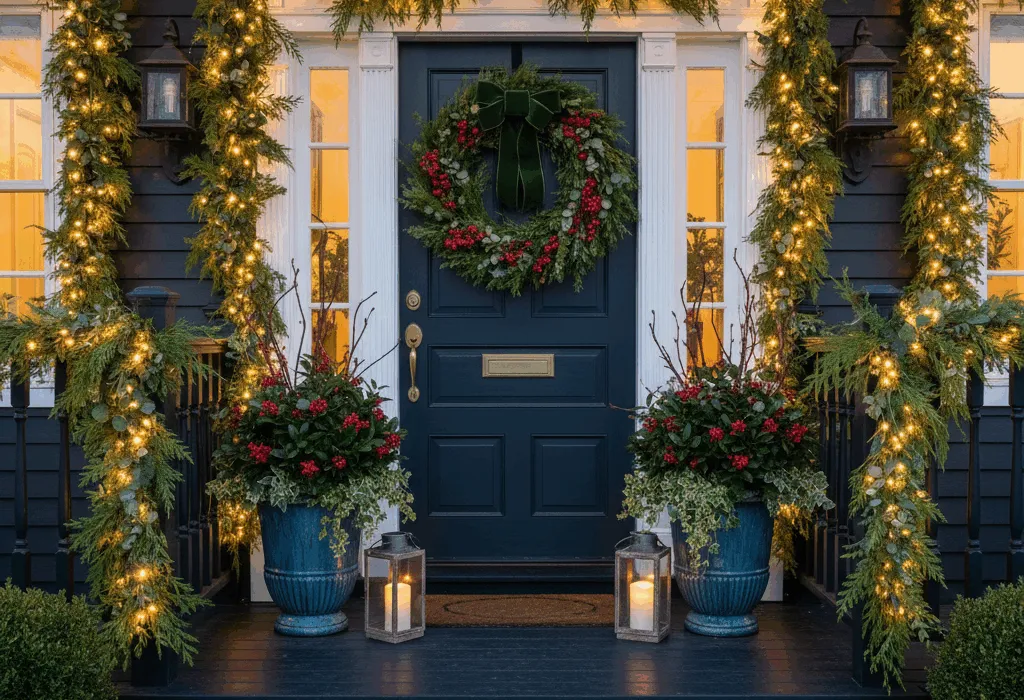
The guest experience starts at the threshold.
What does someone see first?
Is the path clear and welcoming?
Is there a sense of gentle guidance?
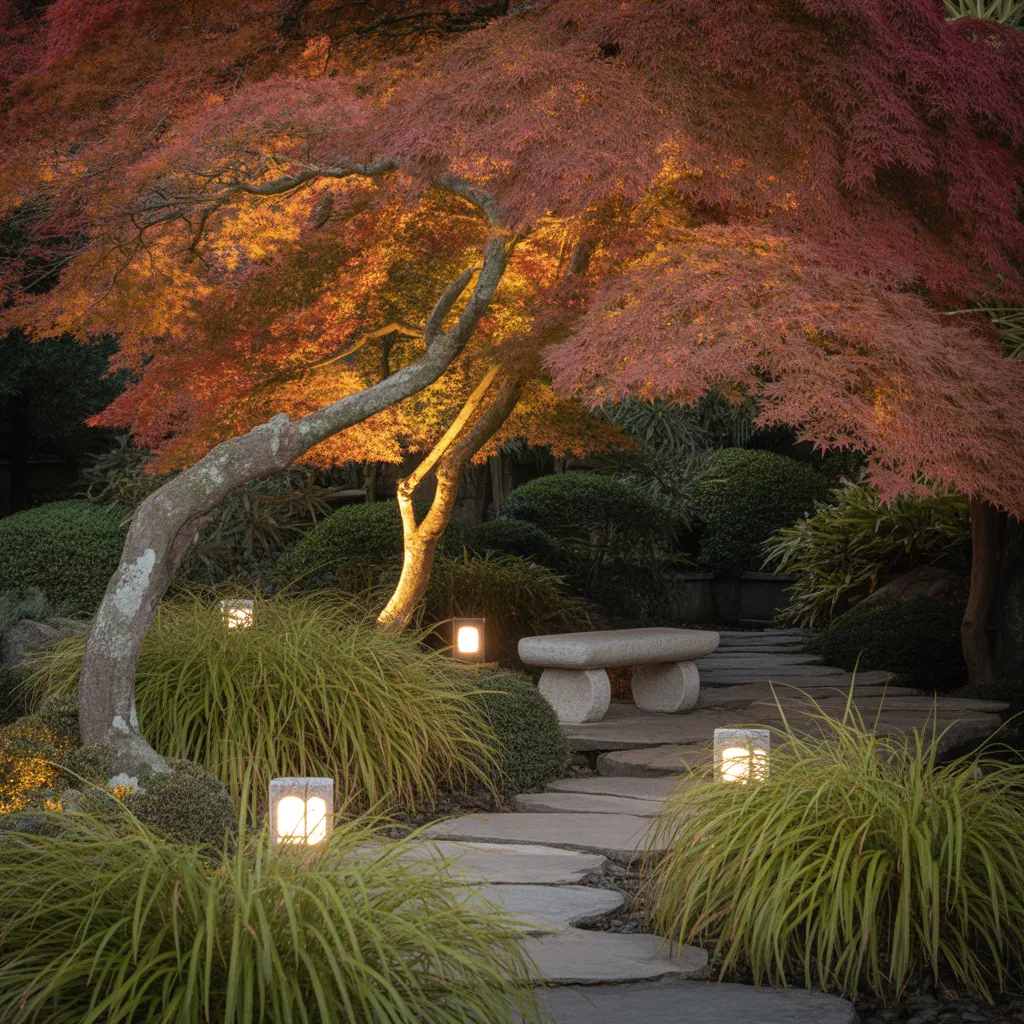
A defined walkway — whether gravel, stepping stones, or quality paving — creates subtle reassurance. Guests instinctively feel more comfortable when movement through a space feels intuitive.
Layer planting slightly along the entrance route. This softens hard edges and creates a sense of immersion. The experience becomes less about “entering a garden” and more about being enveloped by it.
Even small details elevate arrival:
- A trimmed edge
- A swept path
- A softly lit doorway
- Fragrant plants near the entrance
These cues communicate care before a single word is spoken.
2. Create Natural Gathering Zones
Inexperienced garden hosts often place furniture in open space and stop there.
But comfort comes from enclosure.
People instinctively relax when a space feels defined — not exposed.
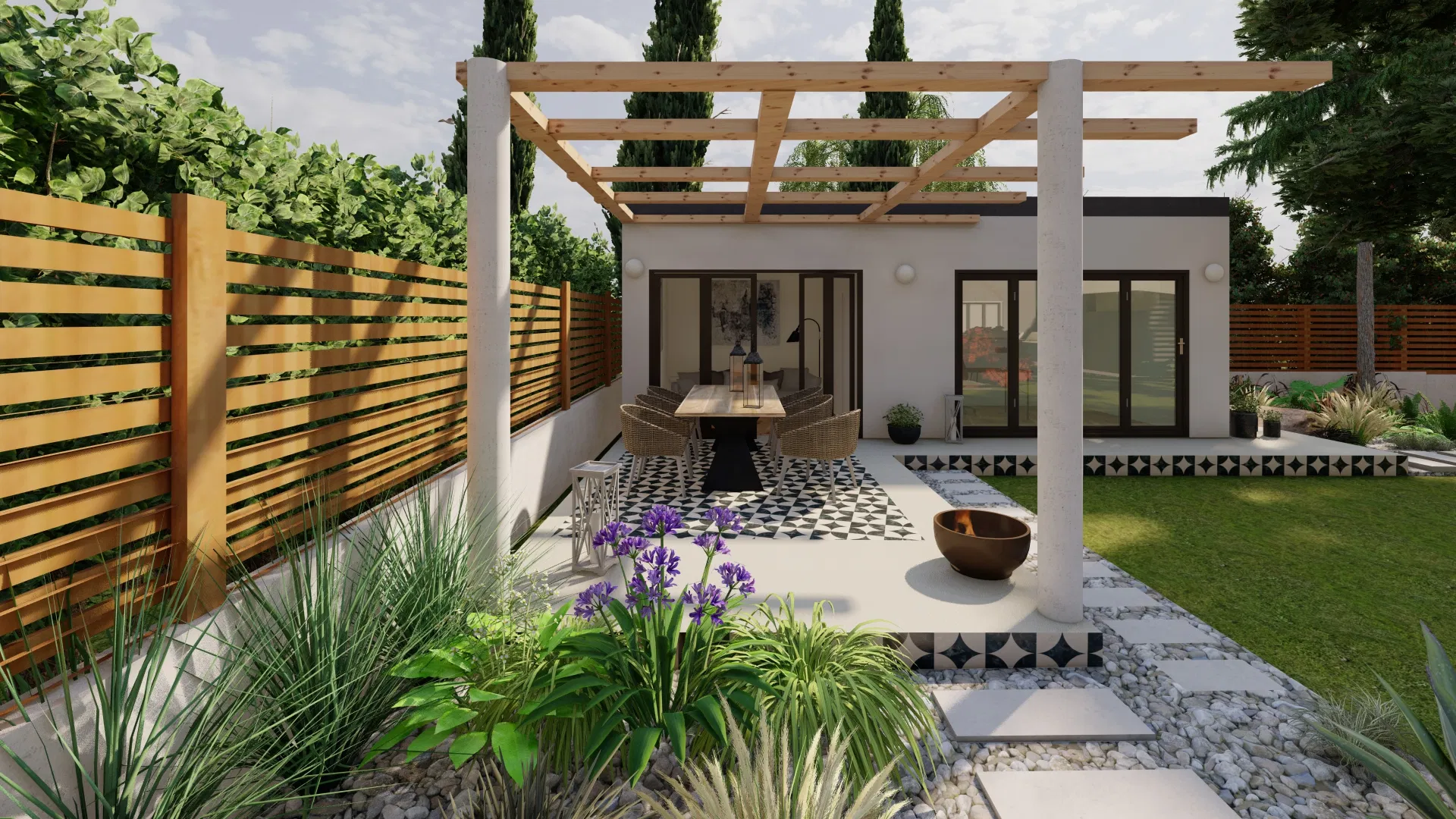
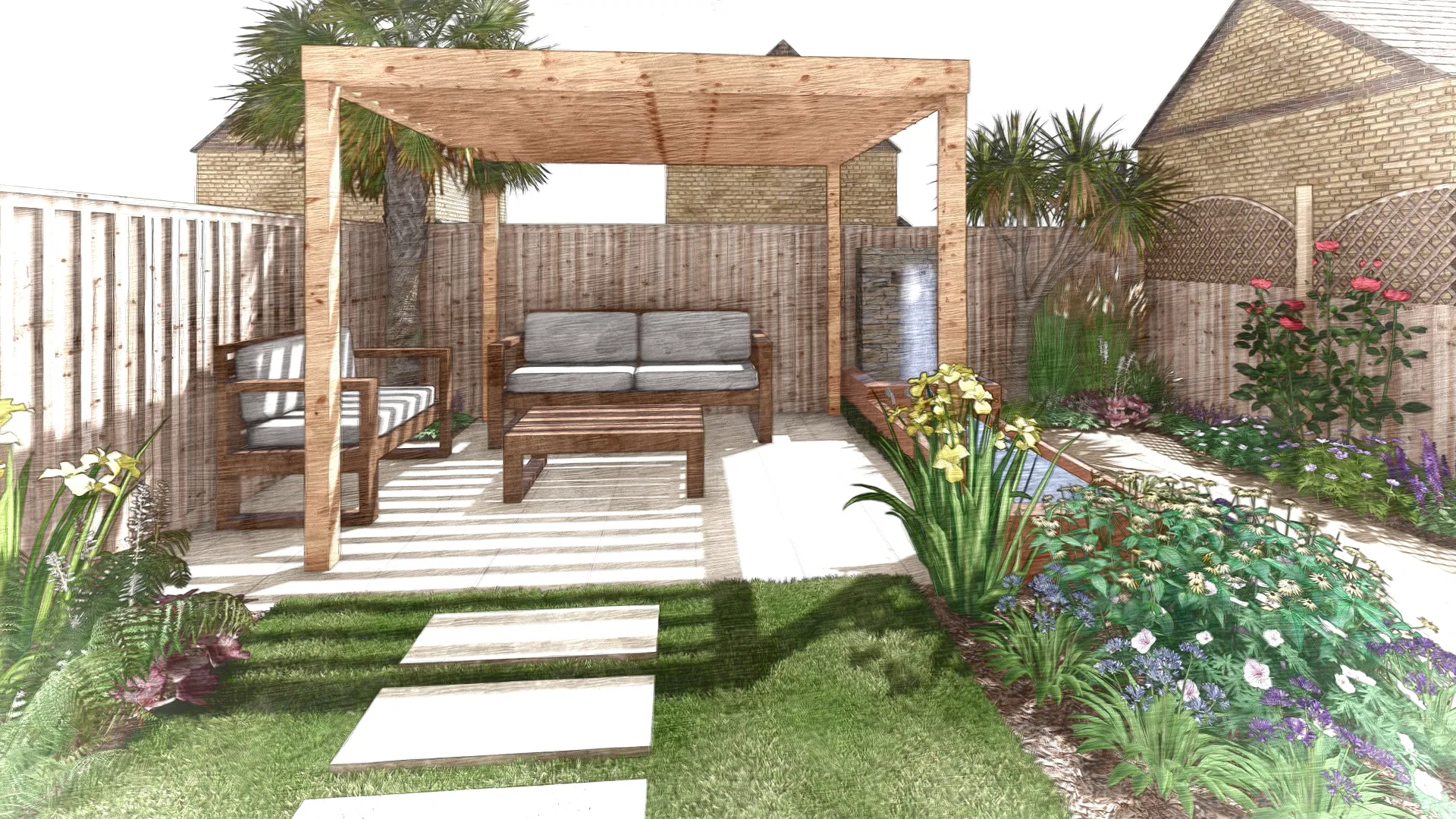
Use planting, hedges, trellises, or even tall pots to create subtle boundaries around seating areas. This doesn’t mean blocking views; it means shaping space.
Think in layers:
- A backdrop (hedge, wall, tall planting)
- Side structure (shrubs, planters, screens)
- Foreground softness (low planting or ground cover)
When seating feels framed, conversation deepens. Guests lean in rather than scanning the horizon.
If your garden is small, this becomes even more powerful. A compact space can feel luxurious when intentionally zoned.
3. Design With the Senses, Not Just the Eyes
A truly elevated guest experience engages more than sight.
Sound
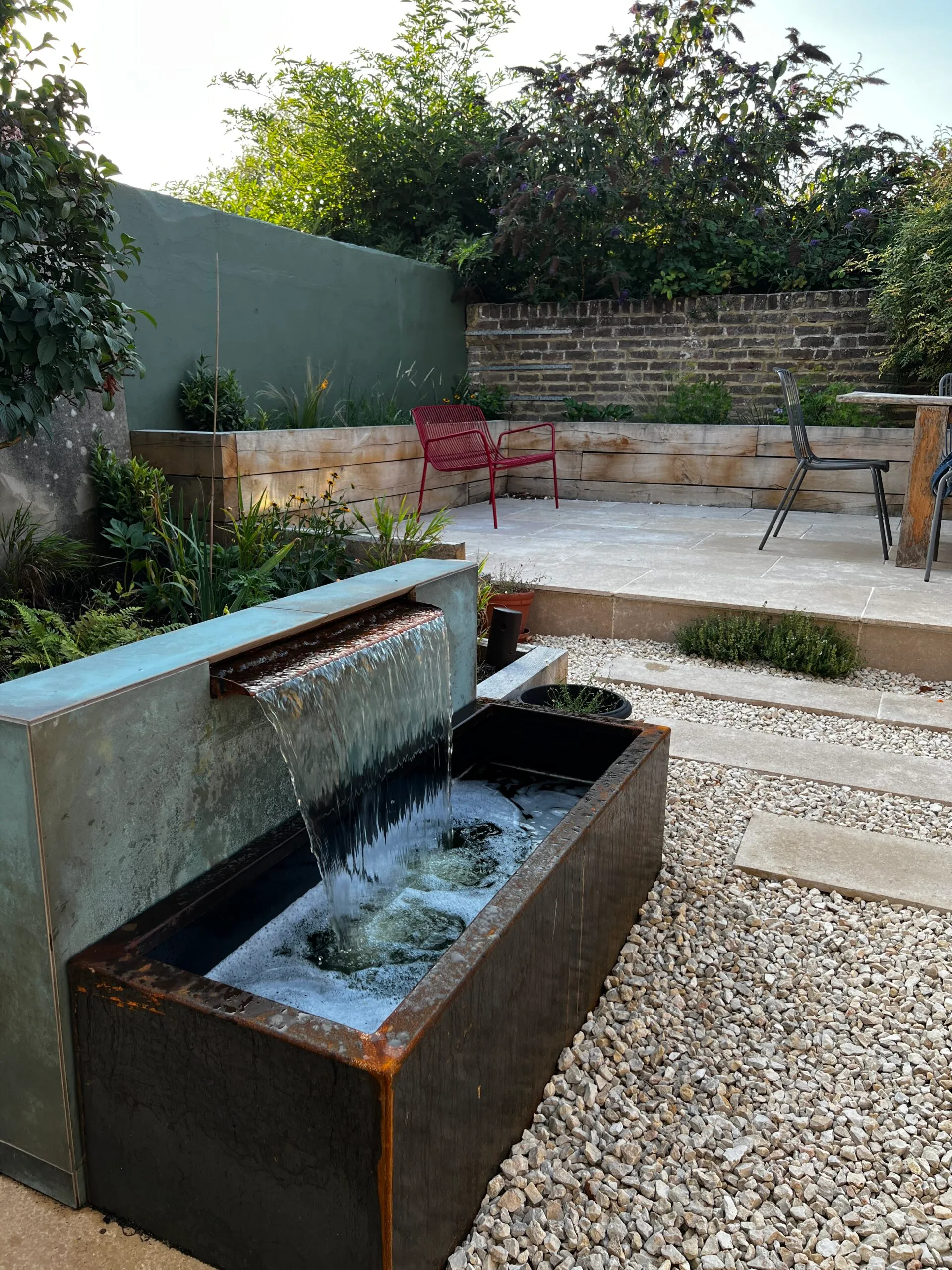
Consider what your garden sounds like. Is there rustling planting? A gentle water feature? Even the absence of traffic noise matters. Layered planting can help buffer sound and create a softer atmosphere.
Scent
Position fragrant plants near seating areas or pathways. Lavender, jasmine, herbs, or roses add subtle sensory richness. Fragrance often becomes the detail guests remember most.
Texture
Mix materials: wood, stone, gravel, fabric. Contrast soft cushions with natural surfaces. This variation makes the environment feel curated rather than flat.
Light
Lighting transforms everything.
Overhead festoon lights create warmth.
Low-level path lights guide movement.
Candles or lanterns introduce intimacy.
Avoid overly bright white lighting. Soft, warm tones create emotional ease.
4. Plan for Comfort — Not Just Style
Nothing undermines a beautiful garden faster than uncomfortable seating or awkward logistics.
Ask practical questions:
- Is there enough seating for relaxed conversation?
- Are guests facing into the space or staring at a fence?
- Is there shade during daytime gatherings?
- Is there subtle shelter if the weather shifts?
Elevated hosting anticipates needs before guests feel them.
Add:
- Throws for cooler evenings
- A side table for drinks
- Easy access to water
- Defined walking space so guests don’t step into planting
When comfort is seamless, guests linger longer.
5. Consider Flow and Movement
A garden gathering rarely stays static.
Guests move:
From arrival → to seating → to food → to standing conversations → to departure.
Design clear pathways between these points. Avoid forcing people to navigate through tight planting gaps or awkward corners.
If you’re hosting a dinner outdoors:
- Ensure serving areas are accessible
- Keep high-traffic routes free of obstacles
- Light pathways subtly for evening safety
Good flow feels invisible. Guests never consciously notice it — they simply feel at ease.

6. Add a Focal Moment
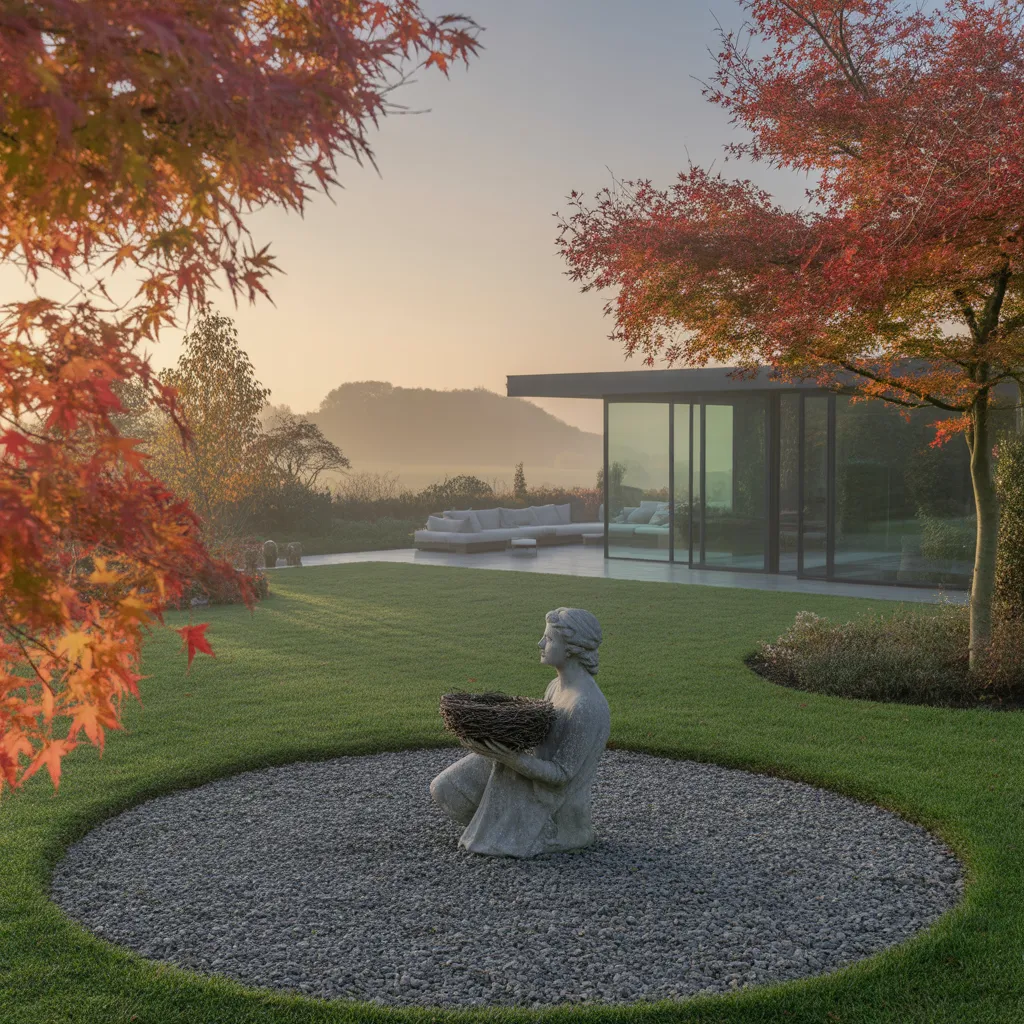
An elevated guest experience benefits from a subtle focal point.
This might be:
- A sculptural tree
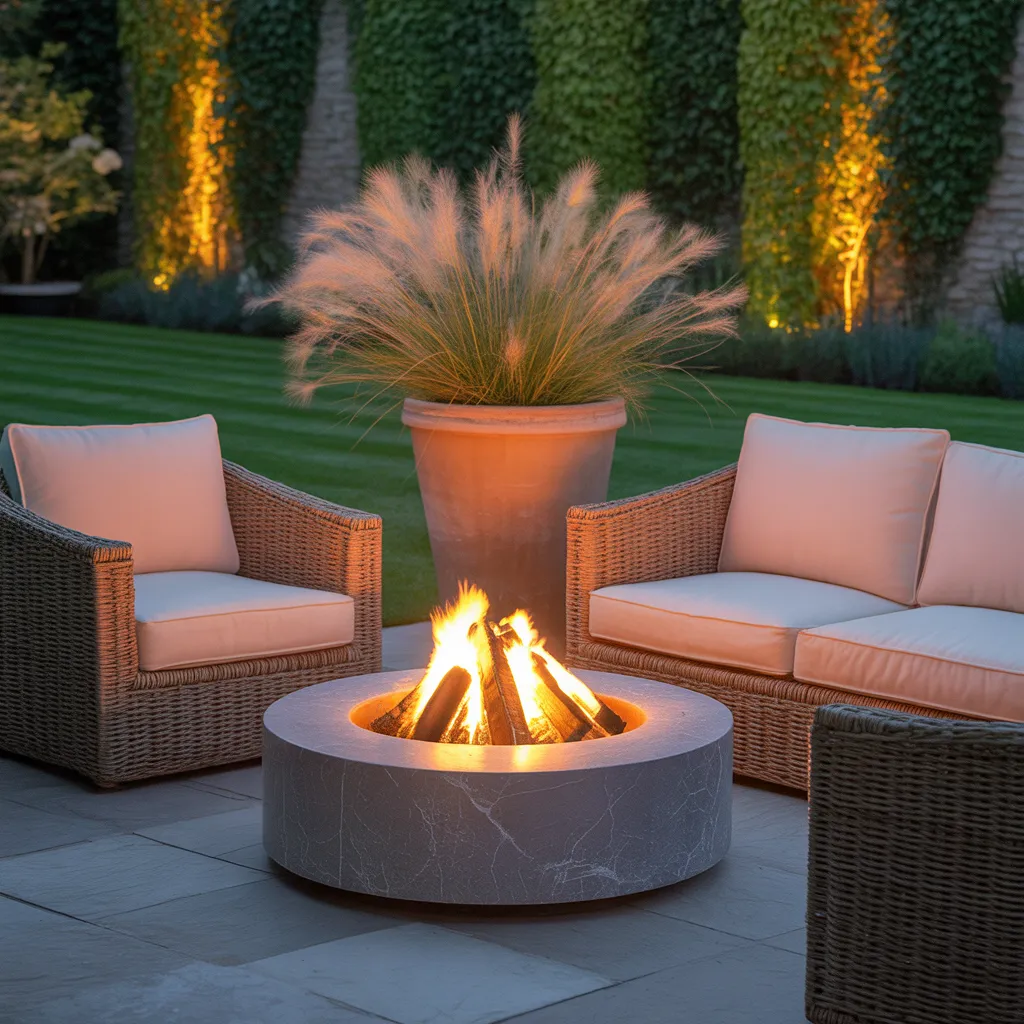
- A fire pit
- A water feature
- A beautifully dressed dining table
- A curated plant grouping
A focal point anchors conversation and gives the eye somewhere to settle.
Without one, a garden can feel visually scattered.
With one, the space feels intentional and composed.
7. Use Planting to Create Emotional Tone
Plant selection influences the atmosphere.
Soft ornamental grasses create movement and calm.
Structured evergreens provide grounding.
Flowering perennials add warmth and generosity. (For inspiration, see our pollinator-friendly garden design ideas.)
Avoid overcrowding with too many competing colours. A restrained palette often feels more sophisticated and restful.
Think about the mood you want your guests to feel:
- Relaxed and intimate?
- Vibrant and celebratory?
- Quiet and reflective?
Design decisions should align with that intention.
8. Embrace Seasonal Hosting
You don’t need a permanent “perfect” garden to elevate guest experience.
Seasonality can become part of the charm.
In spring:
- Emphasise fresh growth and early blooms.
- Keep the seating light and open.
In summer:
- Focus on shade and late-evening lighting.
- Highlight scent and flowering plants.
In autumn:
- Incorporate warm tones, lanterns, textured foliage.
- Use fire elements if possible.
In winter:
- Evergreen structure and subtle lighting matter most.
- Even a short outdoor welcome moment before moving indoors creates an atmosphere.
A garden that evolves through seasons makes each gathering feel unique.
9. Keep Maintenance in Mind
Elevated hosting is difficult in a neglected space.
This doesn’t mean perfection. It means attentiveness.
Before guests arrive:
- Tidy edges.
- Remove debris.
- Water dry containers.
- Trim overgrowth near pathways.
Small acts of care create a sense of calm order.
The goal isn’t formality. It’s readiness.
10. Remember: It’s About Feeling, Not Impressing
The most important shift is mindset.
Elevating guest experience is not about showcasing your garden.
It’s about shaping how people feel within it.
A thoughtful garden communicates:
You’re welcome here.
You can relax here.
You are considered here.
When guests feel emotionally held by a space, they respond differently. Conversations deepen. Laughter lingers. Even silence feels comfortable. (Read more about how garden design supports wellbeing.)
That is the true measure of elevation.
Bringing It All Together
To elevate your guest experience in your home garden:
- Design the arrival.
- Shape intimate gathering zones.
- Engage all the senses.
- Prioritise comfort and flow.
- Anchor the space with a focal point.
- Align planting with mood.
- Honour seasonality.
- Maintain with intention.
You don’t need a vast landscape or extravagant features.
You need clarity of purpose.
When a garden is designed not just to be seen but to be experienced, it becomes more than a backdrop. It becomes a host in its own right — quietly supporting connection, conversation, and memory.
And that is where outdoor spaces move from decorative to unforgettable.
Conclusion
Elevating your guest experience in your home garden is not about perfection, nor is it about impressing anyone with scale or expense.
It is about intention.
When you think carefully about arrival, comfort, flow, atmosphere, and sensory detail, your garden shifts from being a setting to becoming part of the hospitality itself. It begins to hold the evening gently — supporting conversation, easing transitions, and creating moments that feel unforced and natural.
Guests may not consciously analyse the layout or planting choices. But they will remember how the space made them feel.
Calm. Welcomed and at ease.
That is the quiet power of a thoughtfully designed garden.
And when your outdoor space supports connection rather than competing for attention, it does something remarkable — it turns ordinary gatherings into experiences people carry with them long after they leave.
Ready to Design a Garden Made for Entertaining?
If you’d love your garden to become a space where guests feel truly welcome — a place that hosts as beautifully as you do — I’d love to help.
We design gardens for homeowners across Sussex and Surrey, including Worthing, Brighton, Horsham, Chichester, and the surrounding areas.
Book a complimentary discovery call and let’s talk about creating an outdoor space you’ll love to share. Or start with our Garden Whisper — a 90-minute on-site clarity session to give you expert direction.
Studio Hummingbird — designing gardens that feel like home.